| 1 |
Why is driving at night dangerous? |
|
| 2 |
What should you do when approaching an oncoming vehicle with its high-beam headlight glaring at you? |

|
| 3 |
What should you do when a vehicle is approaching you at night with its high beams glaring at you? |
|
| 4 |
You should avoid driving in fog, but if that is not possible or you get caught driving in fog, then what should you do? |
|
| 5 |
What should you do if you get caught driving in a dense fog? |
|
| 6 |
Why should you use low beams when there is rain or fog outside? |
|
| 7 |
How can you avoid the dangers posed by rain? |
|
| 8 |
Roadways are most slippery: |
|
| 9 |
Hydroplaning occurs during heavy rain when the vehicle's tires ride up above the water on the roadway. To help prevent hydroplaning you should: |
|
| 10 |
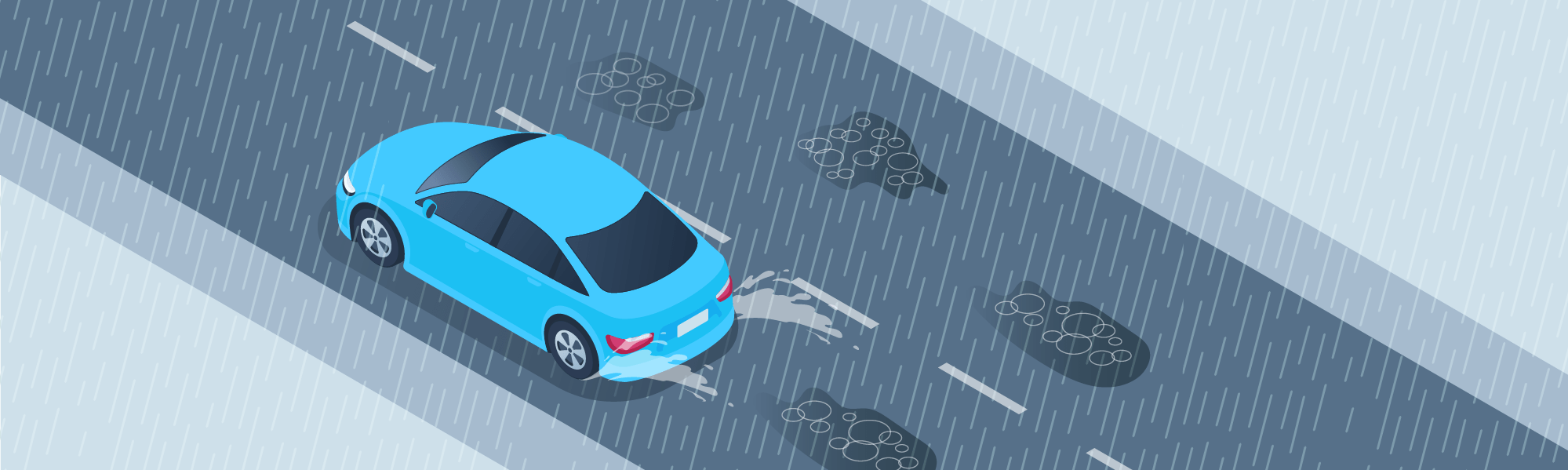
What is the best course of action to regain control when your vehicle starts to hydroplane on wet roads? |
|
| 11 |
When driving in heavy rain, which of the following should you use? |
|
| 12 |
What is hydroplaning? |
|
| 13 |
What should you do if your brakes get wet and you need to dry them? |
|
| 14 |
To get your vehicle out of a skid, you should first: |
|
| 15 |
What is the one most important thing to do when you start to skid? |
|
| 16 |
What does ABS stand for? |
|
| 17 |
What can help prevent skids when driving on snow and ice? |
|
| 18 |
Which of the following statements accurately describes the Anti-Locking Brake System (ABS)? |
|
| 19 |
What should you do if you start to skid? |
|
| 20 |
What should you do to ensure safety in adverse weather conditions with slippery roads? |
|