| 1 |
A vehicle should not be parked: |
|
| 2 |
What should you do after parking your vehicle? |
|
| 3 |
Parking lights may be used: |
|
| 4 |
Do not park within ________ feet of a fire hydrant. |

|
| 5 |
Do not park within ________ feet of an intersection. |

|
| 6 |
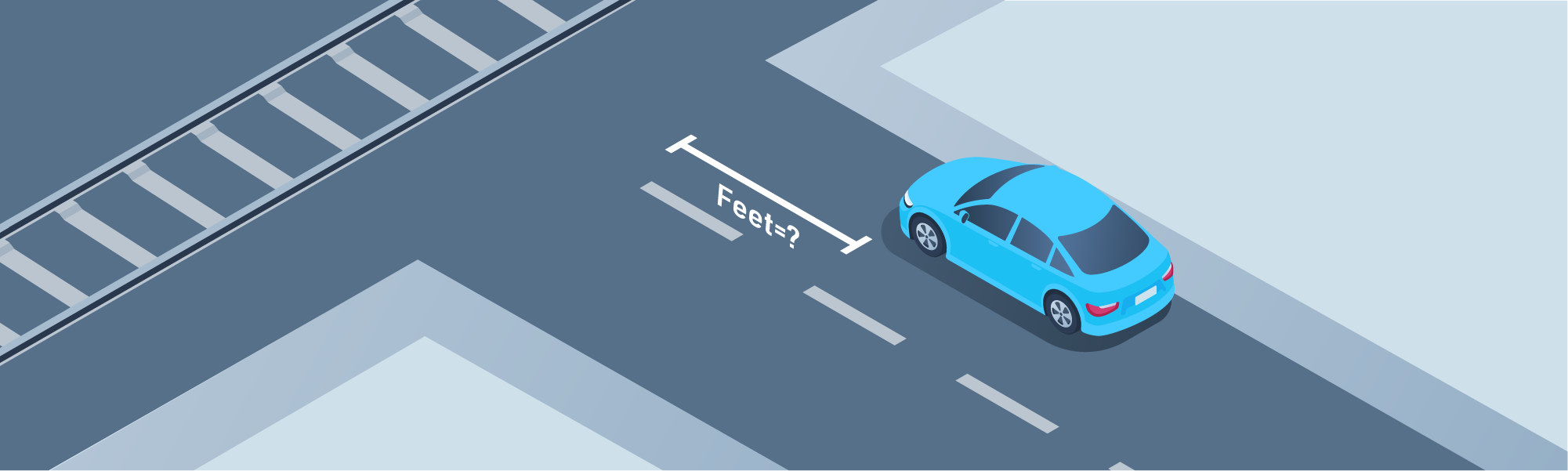
Do not park within ________ feet of the nearest rail of a level railway crossing. |
|
| 7 |
In which of the following locations are you prohibited from parking? |
|
| 8 |
When leaving a parking lot, what should you do? |
|
| 9 |
It is against the law to park: |
|
| 10 |
You must not park within: |
|
| 11 |
What should you do when parked on a roadway or shoulder outside of cities and towns at night? |
|
| 12 |
What is the minimum distance a driver must park their vehicle from any fire apparatus stopped in response to a fire alarm? |
|
| 13 |
Do not park within ________ feet of the entrance to a fire, ambulance, or rescue station. |
|
| 14 |
How should you position your vehicle when moving into the parallel parking space behind another vehicle? |

|
| 15 |
How should you start moving into your intended parallel parking space? |

|
| 16 |
What must be your vehicle’s position when you're done parking it in a parallel parking space? |

|
| 17 |
How close to the curb are you allowed to park when parking parallel to it? |

|
| 18 |
What should you do when parking your vehicle facing uphill on a road with a curb? |

|
| 19 |
What should you do when parking your vehicle facing uphill on a road without a curb? |

|
| 20 |
Where should you turn your vehicle’s front wheels when parking facing downhill on the right side of a street with or without a curb? |

|